
Description
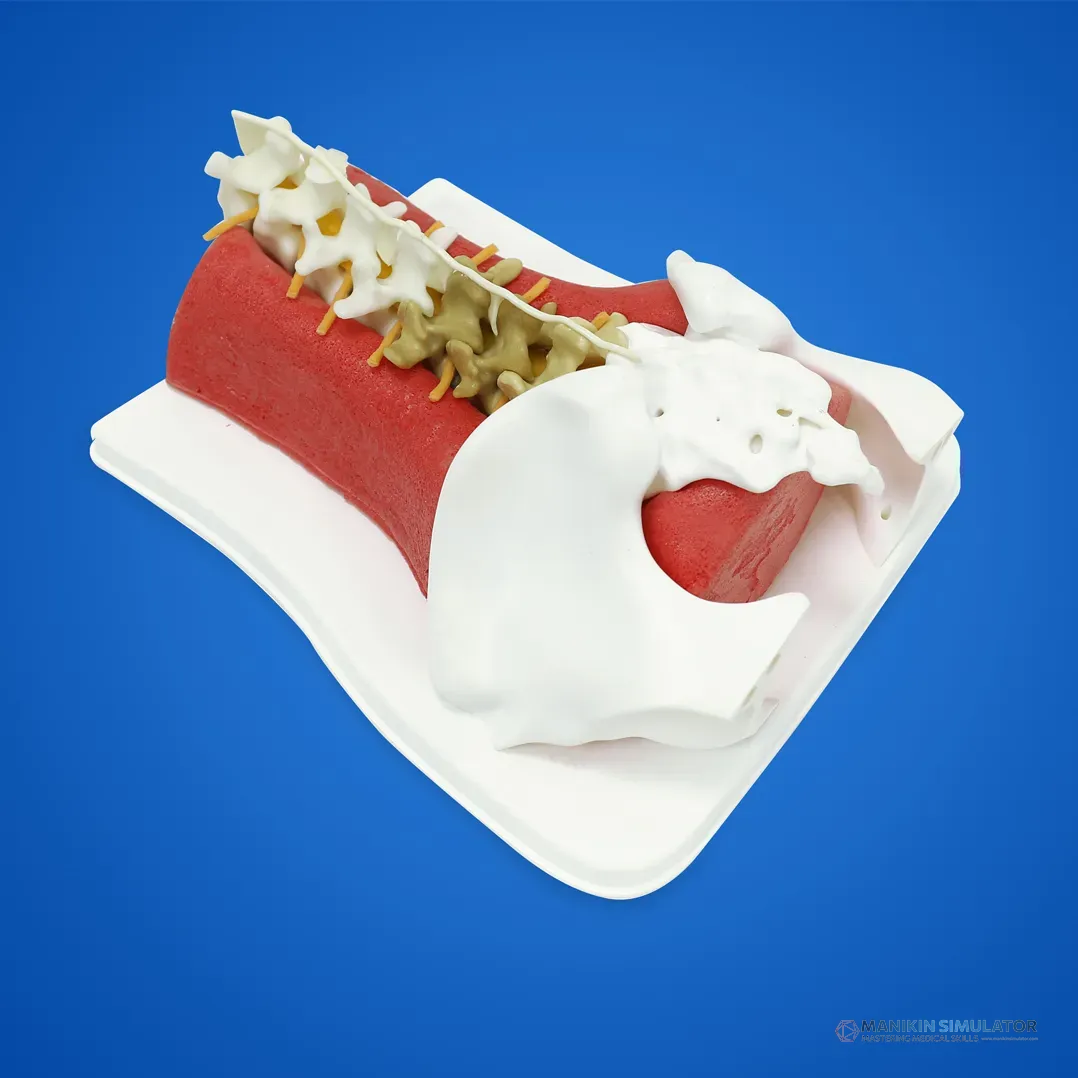
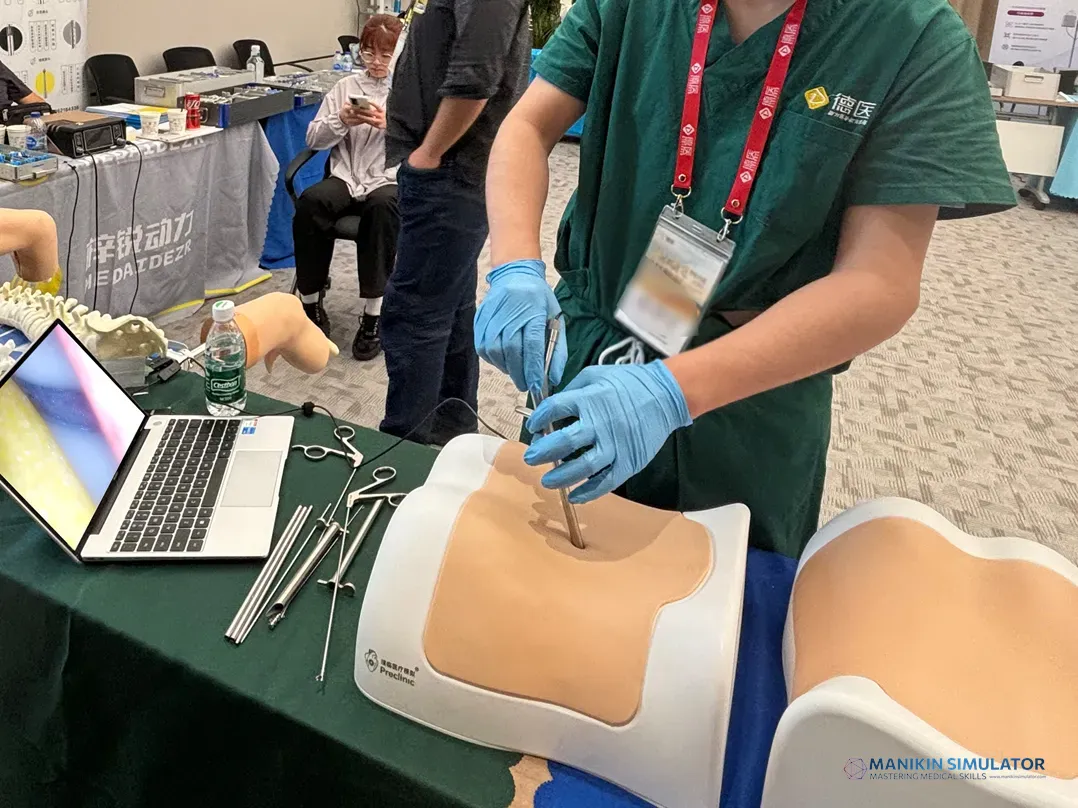
Spinal Endoscopic Trainning Model adalah simulator medis berkualitas tinggi.
Spesifikasi Teknis
Frequently Asked Questions
What specific spinal endoscopic surgery training programs can this model support?
Answer: We can support training programs such as percutaneous endoscopic lumbar discectomy, lumbar canal stenosis decompression, partial discectomy for simple lumbar disc herniation, intervertebral disc decompression for discogenic low back pain, and ligamentum flavum resection.
What are the advantages of the material of the model, and can it meet the simulation requirements of real surgical operations?
Answer: The lumbar spine of the model is made of a bone like material that can be polished, with a hardness and density close to that of human cortical bone and cancellous bone. It can support common orthopedic operations such as drilling, sawing, grinding, and chiseling; The muscles, spinal cord, and intervertebral discs are made of foamed polyurethane material, which feels close to human tissue and can highly reproduce the actual surgical operation feel.
What are the application values of this model in teaching and research?
Answer: In terms of teaching, palpation and anatomical marking exercises can be used to help users quickly grasp the anatomical levels of the lumbar spine; In scientific research, it can provide adaptability verification for spinal implants such as interbody fusion devices and nail rod systems in real human environments, while supporting simulation exercises of complex surgical plans.
Untuk informasi lebih lanjut mengenai spesifikasi detail atau pemesanan kustom, silakan kunjungi halaman Hubungi Kami.
Produk simulator medis kami dirancang dengan material berkualitas tinggi yang selaras dengan standar keselamatan kesehatan internasional seperti yang dirujuk oleh World Health Organization (WHO).